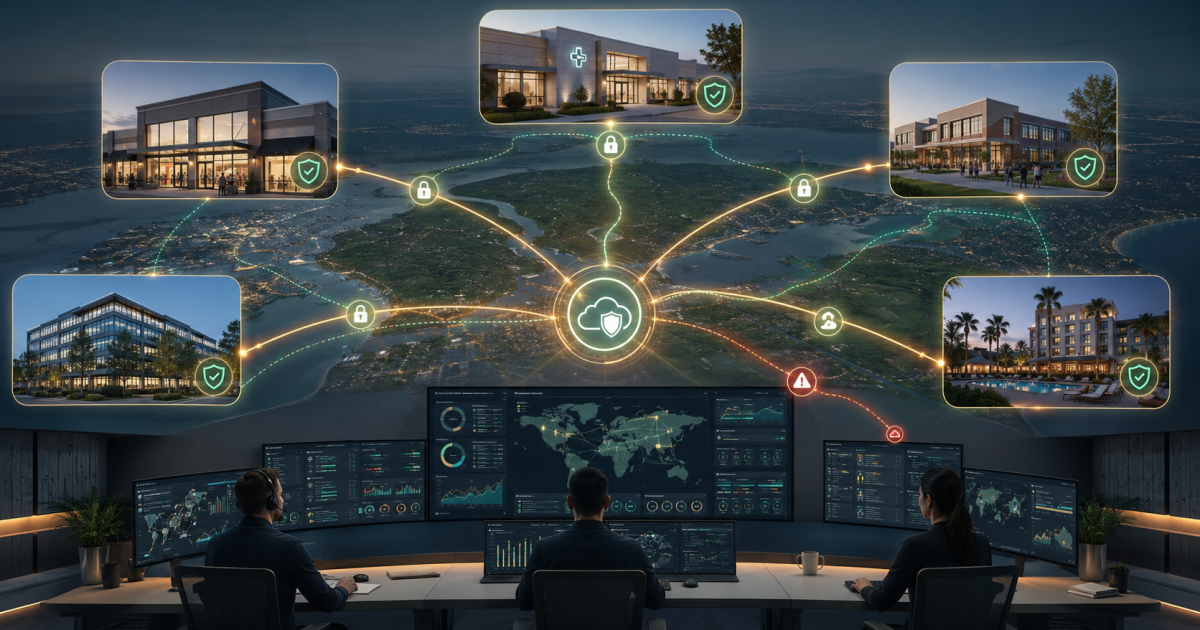
In a world that relies on complex and rapidly expanding digital ecosystems, the foundational principle of cybersecurity remains, "You can't secure what you don't see."
Indeed, the modern enterprise IT environment is a sprawling landscape of devices, applications, and connections spanning on-premises infrastructure, cloud deployments, and burgeoning edge environments. Many of these assets fall into the "shadow IT" category, operating without the explicit knowledge or management of security teams, which creates security blindspots. This lack of complete visibility is a primary vulnerability, as cyberattacks frequently exploit unknown or unmanaged assets to gain initial access and move laterally through a network. Furthermore, understanding the intricate relationships between applications and the underlying infrastructure –application dependency mapping – is crucial for everything from efficient incident response and vulnerability prioritization to streamlined migrations and robust business continuity planning.
Lansweeper has just taken an important step towards addressing this challenge with its acquisition of Redjack, a firm specializing in asset discovery through network traffic analysis. This strategic move will improve asset visibility, offering organizations a comprehensive understanding of their entire technology landscapes.
Redjack's innovation lies in its "passive network discovery." Unlike traditional active scanning methods that send packets onto the network, passive discovery continuously monitors existing network traffic. This agentless, non-intrusive method allows for the identification of virtually every device that communicates on, to, or from a network, including those that might otherwise go undetected. When coupled with application dependency mapping, Redjack's technology provides deep insights into how these discovered assets interconnect and support vital business applications, revealing critical pathways attackers might exploit and offering clarity for complex IT operations.
Lansweeper's expertise in providing granular, detailed insights into IT, OT, and IoT assets complements Redjack's broad, real-time network-level visibility. Through this deal, customers will benefit from a unified platform that not only detects all communicating devices, but also instantly attaches rich metadata, offering a single source of reliable and up-to-date information for their technology assets. The combined strength directly enhances capabilities in critical areas, such as attack surface management, business continuity planning, and third-party risk management.
Greg Virgin, CEO of Redjack, emphasized the natural synergy: "Joining forces with Lansweeper unites two innovations that belong together: Redjack’s passive network discovery and application dependency mapping and Lansweeper’s rich asset intelligence. Combining these capabilities accelerates our shared vision of transforming raw asset data into actionable insights that strengthen security and drive smarter decisions.”
The acquisition encompasses Redjack’s technology, its existing customer base, partner ecosystem, and workforce. The integrated solution is will also accelerate Lansweeper's product roadmap, improving coverage of unmanaged and transient assets, while providing Redjack customers with richer asset intelligence. By automatically mapping dependencies, the enhanced platform will give IT, security, and finance teams with the contextual understanding needed to prioritize vulnerabilities based on business impact, streamline cloud migrations, and optimize costs associated with managing their technology estate.
Lansweeper says it is committed to seamless service and support for all existing Redjack customers and , together with Redjack, seeks to set new standards for technology asset intelligence that deliver actionable insights to organizations to help them fortify their cyber resilience.
Edited by
Erik Linask