
SpiderCloud Moves Cellular Data Back to the Enterprise

By Mae Kowalke

There’s a lot of effort toward ensuring high-quality cellular service and coverage in the field, but what about in the office?

This is a question SpiderCloud Wireless asked, and it sees a market opportunity.

SpiderCloud provides wireless solutions for mobile network operators. Tackling the issue of cellular service indoors, an essential for enterprise customers in this day and age of bring your own device, it allows providers to deploy networks inside of buildings with tremendous capacity in very quick deployment times.

This ability to deploy networks quickly and easily inside buildings can give mobile network operators the ability to differentiate their services from the competition.

“It is a net benefit for network operators because it allows them to solve the connectivity problems that people have with their phones and devices inside,” Russell Agle told MSPToday during ITEXPO Miami this year, director of business development for SpiderCloud. “But what is exciting about what we do is that is allows network operators to offer a differentiated service to their enterprise subscribers.”

One of the aspects of the SpiderCloud solution that is particularly interesting is how it is deployed.

“It is a cellular network that deploys like an enterprise Wi-Fi system,” enthused Agle. “So it really allows the cellular devices, whether they’re phones, dongles, tablets, to participate in the enterprise IT infrastructure.”

Placing cellular inside the enterprise IT infrastructure has significant advantages for CIOs.

Since the system deploys like Wi-Fi, it brings an added level of monitoring, security and auditability that enterprises haven’t had in the past. No longer does cellular take employees beyond the reach of the enterprise—and that is a big differentiator!

“At the same time, it allows network operators to start deploying or enhancing cloud services in real-time for enterprises with tremendous flexibility,” added Agle.

The company also recently added integrated Wi-Fi to the system. So now it doesn’t just deploy like Wi-Fi, it allows network operators to actually deploy both Wi-Fi and cellular at the same time.

“Now with one deployment, network operators can truly differentiate with a multitechnology system for enterprise subscribers in very rapid, very economical terms,” he said.


Edited by Rachel Ramsey
Get stories like this delivered straight to your inbox. [Free eNews Subscription]

MSPToday Contributor

SHARE THIS ARTICLE
Related Articles

The New Ransomware Math: Why Backups Aren't Enough Anymore

By: Erik Linask    8/12/2026

As ransomware increasingly combines data theft with encryption, organizations and MSPs must rethink cybersecurity strategies that rely too heavily on …

Read More

The SOC You'll Never Build: Why Mid-Market Security Is Becoming a Service

By: Erik Linask    8/12/2026

Mid-market organizations are increasingly turning to MSPs and MSSPs for 24/7 security operations, AI-assisted threat detection, incident response, and…

Read More
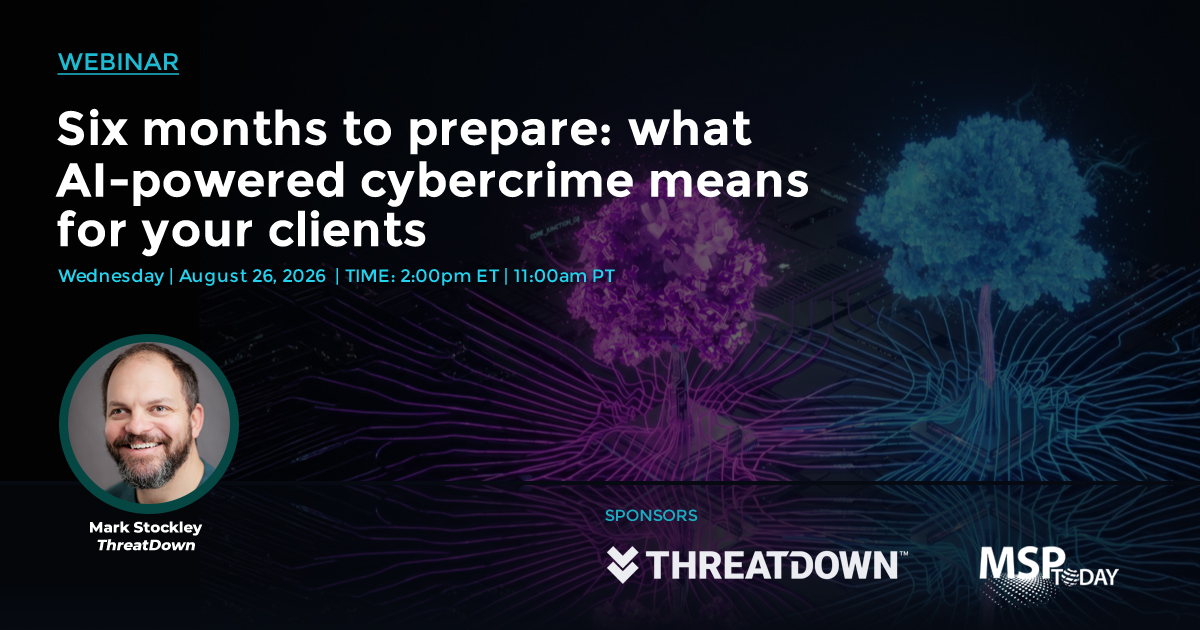
Six Months to Prepare: Why MSPs Need to Help Clients Get Ahead of AI-Powered Cybercrime

By: TMCnet Staff    8/11/2026

Artificial intelligence is rapidly transforming the way businesses operate, but it's also fundamentally changing how cybercriminals launch attacks. Wh…

Read More

Free Ticketing Is Lowering the Barrier to Building a Professional MSP

By: Erik Linask    8/4/2026

Free ticketing and entry-level IT management tools are helping small and startup MSPs organize support, automate service workflows, and build more pro…

Read More
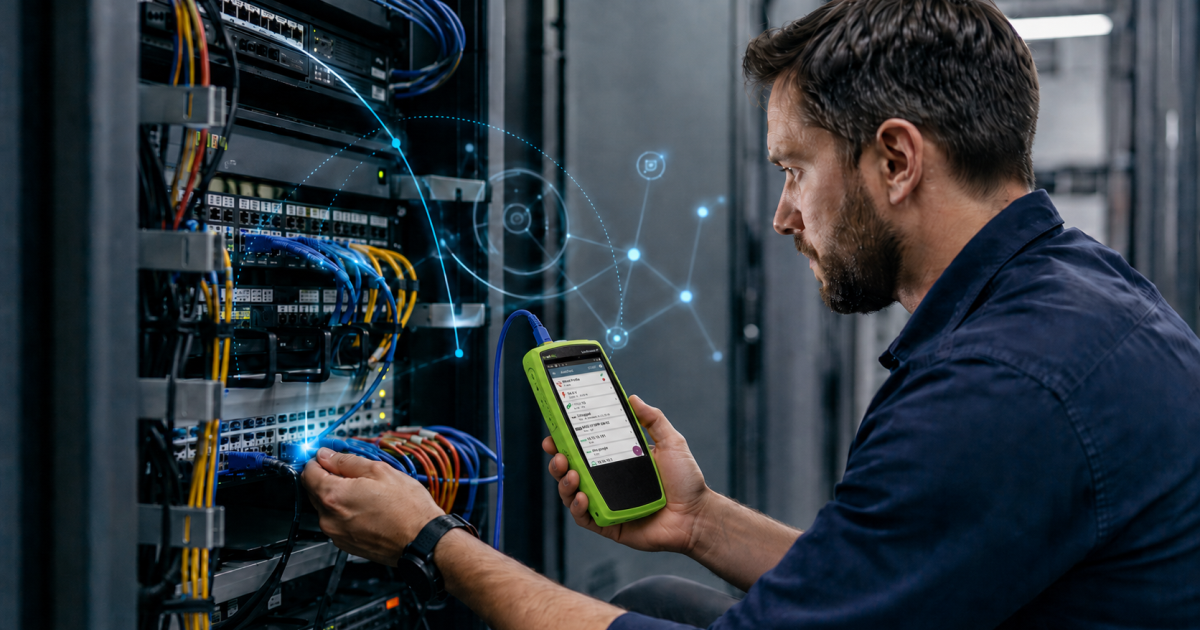
Putting Expert Network Troubleshooting in Every Technician's Hands

By: Erik Linask    7/28/2026

Giving field technicians step-by-step network troubleshooting guidance can help MSPs reduce escalations, shorten resolution times, avoid repeat truck …

Read More