For most companies, the past two years have created a more widely dispersed staff, businesses have struggled to adapt. With remote work taking over, the need to provide security for democratic devices as well as company-owned hardware has become acute. Protecting your IT stack from mistakes made by a far-flung, remote employee base is a new challenge.
Marcia Dempster, senior director of channel sales at Keeper Security, discussed how providing security services for MSPs has changed over the past couple years. But the problems remain largely the same.
“Eighty-one percent of data breaches are due to bad passwords,” Dempster told attendees at MSP Expo 2022 in Ft. Lauderdale, Florida. “We’ve also seen a lot of crypto breaches come from outside vendors or interns,” she said.
New worries have arisen, she said. Two of the big security issues vendors and providers had to tackle recently is providing:
- Security for privileged users
- Security for machine-to-machine communications.
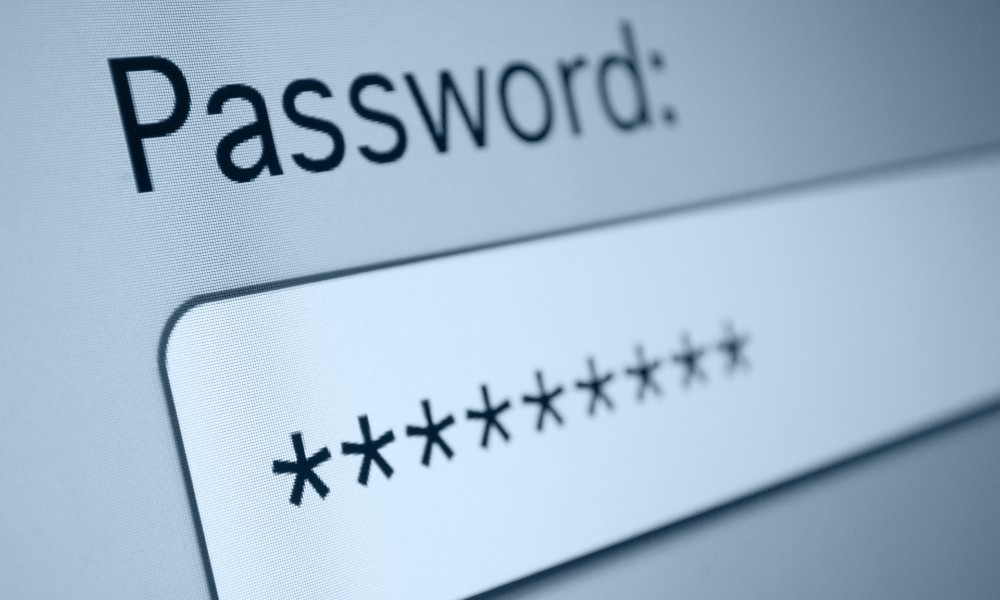
One of the most important adjustments you can make is employing a software-based password management system, Dempster said. Rather than allowing employees to choose their passwords, these systems assign secure passwords when needed.
“More and more companies are requiring employees to use password management systems,” Dempster said.
Employing managed security software can allows you to connect to just one server rather than multiple servers.
“It helps you avoid using VPNs,” she added.
She said a good password management system will disguise, encrypt and select passwords for new employees.
“MSPs are asking for security as part of their stack now,” Dempster said. The Keeper service coalesces all your passwords into one single password, which allows the software to protect all your communications.
The software can work in conjunction with 2-FA security requirements, such as those of the US government. But it also can eliminate the need for 2-FA when regulations don’t require it.
Keeper decryption is device-based and MSPs are encouraged to apply the software to their own operations as well as their customers.
“Use it for yourself, use it for your customers, sell it to your customers,” she said.
COVID-19 created an increased demand for security services. It also forced MSPs to reconsider their own security procedures, Dempster noted. For more than one reason, though, Dempster is glad it’s gone.
“No more virtual happy hours,” she said as the audience clapped. “In-person happy hours only.”
Edited by
Erik Linask